Dubai Luxury Real Estate: Tax Benefits & Free Zones
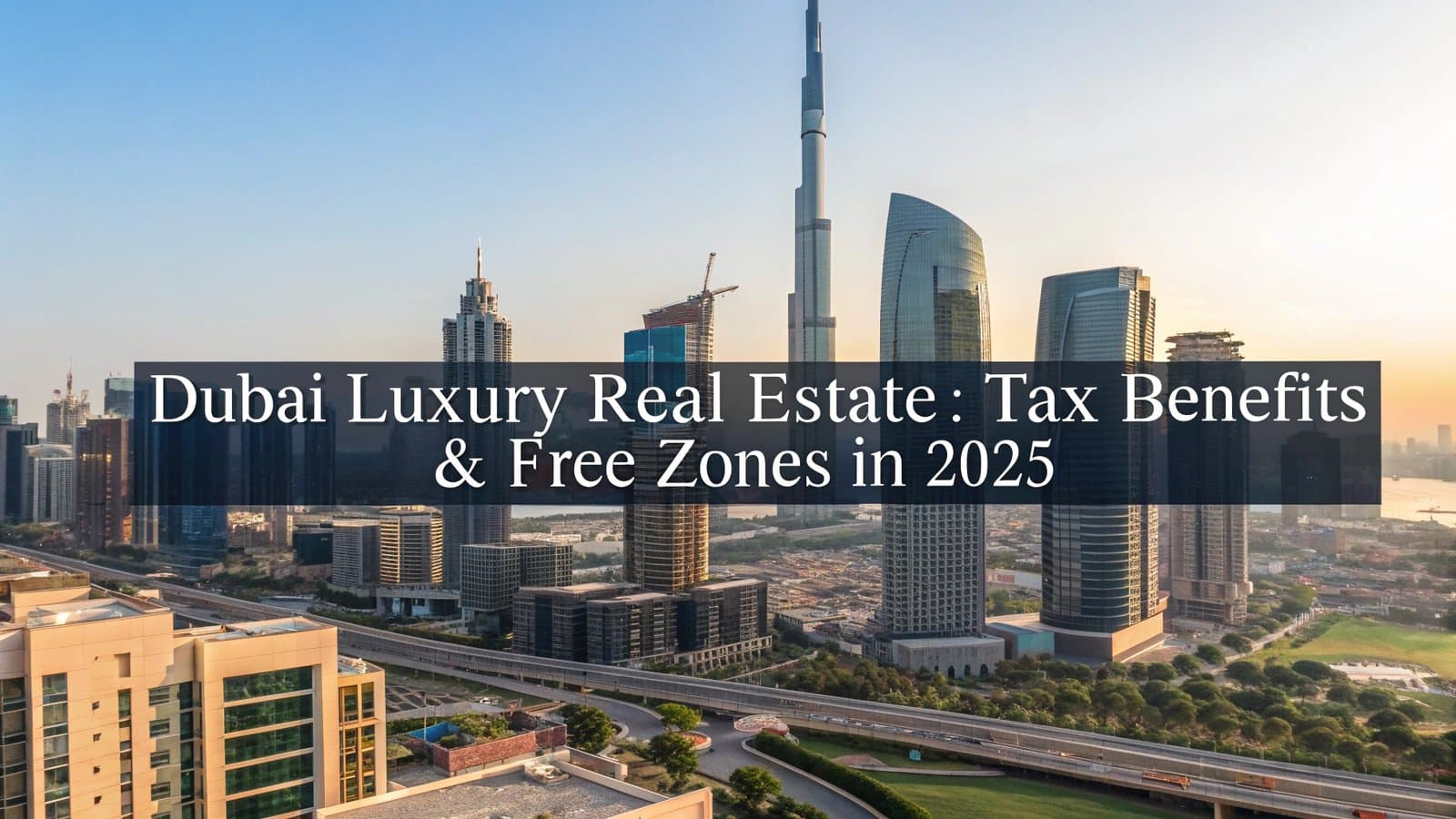
Dubai’s luxury real estate market is more than a skyline of glass and steel — it’s a tax-smart, investor-friendly ecosystem that attracts global capital. This guide explains why investors choose Dubai, how free zones add extra advantages, and what smart buyers should know when considering luxury properties like Breva, Tivanno, and the Q Gardens collection by AYS Developers.
Why tax policy matters for luxury real estate
Tax rules shape net returns. Low or zero taxes on rental income and capital gains dramatically improve the after-tax yield of a property. That’s why many high-net-worth individuals and international investors favour Dubai over traditional markets. Recent market coverage highlights a sustained influx of wealthy buyers chasing tax efficiency and lifestyle benefits.
The headline tax benefits in plain terms
No personal income tax on rental income in most cases.
No capital gains tax on property sales for most private sellers.
No annual property tax akin to council rates found in other countries.
These headline features keep more profit in your pocket and simplify ownership. Several investor guides explain how Dubai’s tax environment compares favourably with other global hubs.
Free zones: what they are and why they matter for investors
Free zones are designated economic areas with special rules that make business and capital movement easier. For investors and companies they typically provide:
100% foreign ownership of businesses established inside the zone.
100% repatriation of capital and profits — move money in and out freely.
0% corporate and personal tax (as the law provides exemptions for free-zone entities).
Simplified company setup and dedicated infrastructure for specific industries. Official UAE guidance explains these benefits and the regulatory support structure
How free zones influence real estate ownership
Free-zone benefits matter even if you buy residential property. Common investor use-cases:
Holding property via a free-zone company for corporate ownership and easier repatriation.
Pairing property investment with business setup to obtain visas and expand regional operations.
Using free-zone structures to optimize tax and inheritance planning (legal counsel recommended).
These practical uses make Dubai highly attractive for entrepreneurs and global families seeking both residence and business flexibility.
Double taxation and international treaties — what investors must know
If you live in another country, the good news is many jurisdictions have Double Taxation Avoidance Agreements (DTAAs) with the UAE. DTAAs prevent the same income being taxed twice and make cross-border investment cleaner. Guides specifically aimed at investors from high-interest countries (for example India) break this down with actionable steps.
Market confidence: policy moves that make Dubai stickier
Dubai keeps evolving free-zone policy and investor services. Recent initiatives like a unified “One Freezone Passport” (which simplifies multi-zone operations) show the emirate is actively reducing friction for businesses and investors. That kind of policy dynamism strengthens long-term investor confidence.
How tax and free-zone benefits change the numbers
Imagine a luxury apartment generating AED 200,000/year gross rent. In a high-tax jurisdiction you might lose 20–30% to taxes. In Dubai, with tax-free rental income (and no capital gains tax on sale in most situations), your net return rises meaningfully — often several percentage points in yield. Lower transaction costs and transparent fee structures further help returns.
Why luxury real estate specifically benefits
Luxury properties offer:
Higher absolute rental income.
Stronger capital appreciation in good cycles.
Greater appeal to high-net-worth tenants and buyers (who themselves are often tax-sensitive).
Combining luxury-market premium pricing with Dubai’s tax environment amplifies after-tax gains versus similar properties in higher-tax jurisdictions. Market analysts keep pointing to strong demand for premium homes in tax-efficient Dubai.
Practical steps to invest
Decide ownership vehicle: personal name vs company (free-zone or mainland).
Check visa and residency benefits tied to the investment value or business setup.
Confirm tax residency and DTAA implications with an advisor.
Understand transaction costs: registration, agency fees, DLD fees (~4% in many cases).
Request developer escrow & building specifications for peace of mind (RERA escrow accounts protect off-plan buyers).
Risk management: what to watch for
Policy changes: Dubai is investor-friendly, but global and local policy shifts can alter yield expectations.
Holding structure complexity: corporate vs personal ownership has legal and reporting implications.
Market cycles: even luxury markets move with supply/demand dynamics.
Due diligence: title, escrow protection, developer track record (AYS Developers has completed projects and active construction updates).
AYS Developers — short project highlights
Below are quick, SEO-friendly snippets you can use in landing pages and brochures. Each keeps a clean pitch while tying back to tax and free-zone advantages.
Breva — Luxury waterfront living on Dubai Islands with premium brand partnerships, rooftop saltwater pools and smart home tech. Ideal for investors wanting high-end finishes and strong tenant appeal.
Tivanno — Part of AYS’ Heritage Collection, Tivanno blends European design with resort amenities — rooftop infinity pool, Technogym-style fitness, and tranquil views that attract long-stay tenants.
Q Gardens Aliya — Boutique tower in JVC offering studios and 1-beds with flexible 5-year payment plans — a practical entry point for investors seeking stable rental demand.
Q Gardens Lofts 1 — Loft-style apartments in JVC with generous natural light, communal cinemas, gyms, and landscaped sky gardens — designed for young professionals and families. Q Gardens Lofts 2 - Located in the heart of Jumeirah Village Circle, The Q Gardens Lofts 2 offers beautifully designed apartments loaded with natural light and crafted from the finest international materials. Whether you’re drawn to lush exterior gardens, spacious interiors, or the sleek, modern design of each room, AYS Developers' newest property transforms daily living into a luxurious experience amidst Dubai’s evolving cityscape.
Q Gardens Boutique Residences — Completed low-rise in Arjan, ideal for investors who want immediate occupancy and rental income with resort-style amenities.
How to pair property choice with tax strategy
Short-term flip vs long-term hold: Tax rules favour long-term capital gains (no capital gains tax), but market timing matters.
Buy & rent: Tax-free rental income + high yields = attractive cash flow; luxury units often outperform in unit-specific yield.
Corporate ownership: If you plan multiple acquisitions, a free-zone company can simplify repatriation and corporate tax planning. Always consult a tax advisor.
Residency and lifestyle perks tied to property ownership
Certain property purchases and business setups can enable residency visas in the UAE. Residency boosts personal mobility, simplifies banking, and makes it easier to manage properties locally. Combining property ownership with a free-zone business often maximises practical benefits. Official investor resources outline visa options and eligibility.
Common investor questions
Is rental income really tax-free? In most cases yes — rental income is not subject to personal income tax in the UAE. However, your home country’s rules may apply; check DTAA arrangements.
Can I repatriate profits? Yes — free zones and many corporate structures permit full repatriation of profits.
Do free zones let me own residential property? Free zones are business jurisdictions; you can use a free-zone company to hold property, and you can personally buy freehold residences in designated areas. Structure depends on goals.
Why choose AYS Developers for tax-sensitive luxury buyers
AYS Developers combines curated design with legal and market transparency — essential when tax strategy and asset protection matter. They:
Deliver high-quality finishes and branded partnerships (kitchens, elevators, smart systems).
Provide clear escrowed off-plan contracts and documented progress updates.
Support investors with payment plans and buyer services that align with cross-border needs.
Dubai’s tax environment and free-zone architecture give luxury real estate investors a powerful advantage: simplified tax exposure, easier repatriation, and flexible ownership options. Combine that with a trusted developer and a clear holding strategy, and you have a high-potential, lower-friction investment.
FAQs
1. Are rental incomes from Dubai luxury properties tax-free for foreign investors?
Generally yes the UAE does not impose personal income tax on rental income. But your country of tax residence may have rules that apply; DTAA agreements can prevent double taxation.
2. What advantages do free zones offer to property investors?
Free zones offer 100% foreign ownership for companies, full repatriation of profits, tax exemptions, and simplified business setup — useful for holding property via corporate structures.
3. Can buying a luxury property in Dubai help me get residency?
Yes property ownership and business setup (especially free-zone companies) can qualify buyers for residency visas. Specific thresholds and rules apply.
4. Is Dubai still attracting high-net-worth buyers because of tax benefits?
Yes policy stability, tax advantages, and lifestyle amenities continue to draw wealthy buyers and drive demand in the luxury segment.
5. How do I minimize legal and tax risk when investing in Dubai real estate?
Use escrowed developer contracts, choose trusted developers (like AYS Developers), consult international tax advisors, and consider an appropriate ownership vehicle (personal vs free-zone company).